

Simplify HVAC Repairs with This HVAC Repair Guide Tips

When your HVAC system acts up, it can feel overwhelming. You want your home comfortable again fast, but the technical details might seem confusing. I’m here to help you cut through the noise. This guide will simplify HVAC repairs so you can understand what’s going on and take the right steps. Whether it’s a minor fix or knowing when to call a pro, you’ll feel confident handling your system.
Let’s dive into practical advice that makes HVAC repairs less stressful and more manageable.
Understanding Your HVAC System: The Basics
Before tackling any repair, it helps to know what your HVAC system does. HVAC stands for Heating, Ventilation, and Air Conditioning. It keeps your home warm in winter and cool in summer. The main parts include:
Thermostat: Controls the temperature.
Furnace or Heat Pump: Produces heat.
Air Conditioner: Cools the air.
Ductwork: Distributes air throughout your home.
Filters: Clean the air before it circulates.
Knowing these parts helps you spot where problems might start. For example, if your home isn’t heating well, the issue could be the furnace or thermostat. If it’s not cooling, the air conditioner or filters might be the culprit.
Why Regular Maintenance Matters
Regular maintenance keeps your system running smoothly and prevents many common problems. Simple tasks like changing filters every 1-3 months can improve airflow and efficiency. Cleaning vents and checking for leaks in ductwork also help.
Maintenance saves you money by avoiding costly repairs later. Plus, it extends the life of your HVAC system. Think of it like changing the oil in your car - a little effort now prevents bigger headaches down the road.

HVAC Repair Guide Tips: What You Can Do Yourself
Some HVAC repairs are simple enough to handle on your own. Here are a few tips to get you started:
1. Check and Replace Air Filters
Dirty filters block airflow and make your system work harder. Replace them regularly to keep air clean and your system efficient. Look for filters labeled with the right size and MERV rating for your unit.
2. Inspect Thermostat Settings
Sometimes the problem is as simple as incorrect thermostat settings. Make sure it’s set to the right mode (heat or cool) and temperature. If your thermostat uses batteries, replace them yearly.
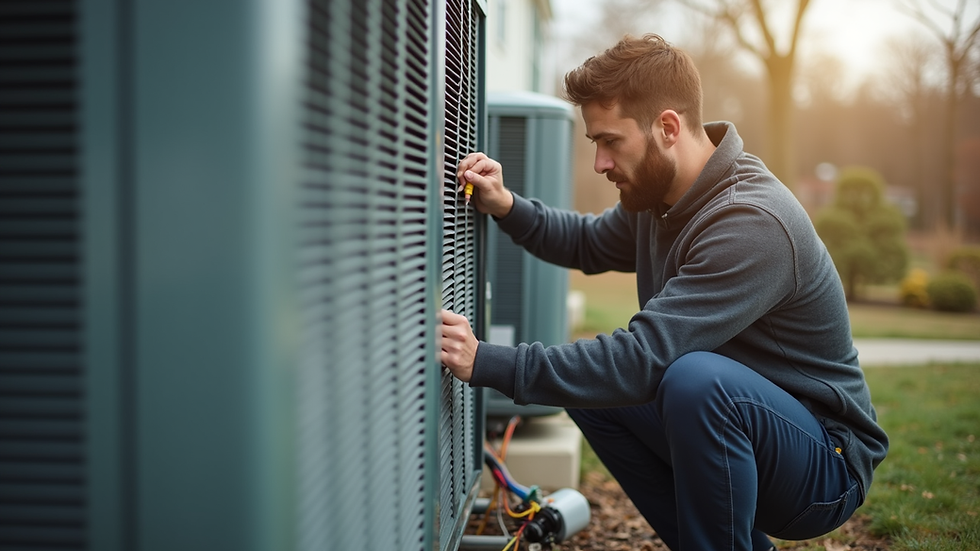
3. Clear Debris Around Outdoor Units
Outdoor AC units can get clogged with leaves, dirt, or grass. Turn off power and gently clean around the unit to improve airflow. Keep at least two feet of clearance around it.
4. Reset Your System
If your HVAC stops working, try resetting it. Turn off the power at the breaker, wait a few minutes, then turn it back on. This can clear minor electrical glitches.
5. Listen and Look for Obvious Issues
Pay attention to strange noises, leaks, or smells. These clues help you decide if you can fix the problem or need professional help.
If you want a detailed step-by-step, the homeowner hvac repair guide is a great resource to keep handy.
When to Call a Professional HVAC Technician
Some repairs require specialized tools and knowledge. Here’s when you should call a pro:
No heat or cooling at all: This could mean a serious electrical or mechanical failure.
Frequent cycling on and off: Your system might be short-cycling, which wastes energy and wears parts.
Strange smells or smoke: Could indicate electrical issues or gas leaks.
Water leaks around the unit: This might be a clogged drain or refrigerant leak.
Unusual noises: Grinding, banging, or squealing sounds need expert attention.
Trying to fix these yourself can be dangerous or cause more damage. A licensed technician has the training to diagnose and repair safely.
Tips for Choosing the Right HVAC Repair Service
Finding a trustworthy HVAC service is key to long-term comfort. Here’s what to look for:
Licensing and Insurance: Always choose a licensed and insured company.
Experience: Look for technicians with years of experience in your area.
Transparent Pricing: Get clear estimates before work starts.
Customer Reviews: Check online reviews to see what others say.
Service Guarantees: A good company stands behind their work.
Building a relationship with a reliable HVAC partner means you’ll have peace of mind when repairs or maintenance are needed.
Preventive Measures to Avoid Future HVAC Repairs
Prevention is the best way to simplify HVAC repairs. Here are some easy steps to keep your system healthy:
Schedule Annual Tune-Ups: Have a professional inspect and clean your system yearly.
Change Filters Regularly: Don’t wait until airflow drops.
Seal and Insulate Ducts: Prevent leaks that reduce efficiency.
Keep Outdoor Unit Clear: Trim plants and remove debris.
Monitor Thermostat Settings: Avoid extreme temperature changes.
These small actions add up to fewer breakdowns and lower energy bills.
Keep Your Home Comfortable Year-Round
Your HVAC system is essential for comfort in San Antonio’s hot summers and cool winters. By understanding your system, doing simple repairs, and knowing when to call a pro, you can keep your home cozy without stress.
Remember, this homeowner hvac repair guide is here to support you. Don’t hesitate to reach out to trusted professionals when you need help. Taking care of your HVAC system today means comfort tomorrow and for years to come.


